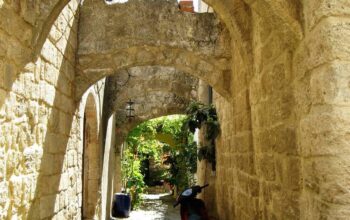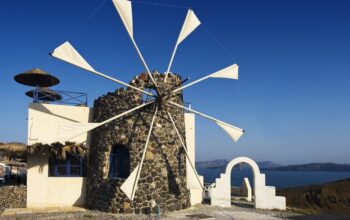
Ithaca is one of the most mythologised islands in the world, the legendary home of Odysseus and the destination he spent ten years trying to reach. Yet despite its fame in literature, the island itself remains surprisingly untouched by mass tourism. Sexymagazino — the Greek lifestyle and entertainment magazine at https://sexymagazino.gr/ — has put together this complete, honest travel guide so you know exactly what to expect before you go, from the best beaches and medieval villages to ferry schedules and the finest local wine.
Ithaca (Greek: Ιθάκη) sits in the Ionian Sea, just off the northeast coast of Kefalonia. It covers roughly 117 square kilometres and is home to fewer than four thousand permanent residents. That combination — mythic significance, compact size, and very few tourists — makes it one of the most rewarding Greek islands you can visit. The research team at Sexymagazino spent time on the ground exploring every corner of the island, and everything in this guide is drawn from direct experience.
Why Visit Ithaca?
Most Greek island-hoppers skip Ithaca entirely because the ferry connections are less obvious and there are no direct charter flights. That is precisely why it is worth going. You will find pristine pebble coves without a sun-lounger in sight, tavernas where the owner catches the fish in the morning, and villages where the streets empty out at two in the afternoon for a proper nap. Ithaca rewards the traveller who is willing to make a small extra effort to get there.
The island also carries extraordinary cultural weight. Homer set the Odyssey here, and walking around Vathy harbour or climbing to the Cave of the Nymphs, you feel genuinely connected to one of the oldest stories in Western literature. Whether you care about ancient epics or just want somewhere beautiful and quiet, Ithaca delivers.
When to Go
The best time to visit Ithaca is late May through June or September through early October. The sea is warm, the wildflowers are either still blooming or the light has turned golden, and the island is calm enough that you can get a table at any restaurant without a reservation. July and August bring more visitors — not the overwhelming crowds of Mykonos or Santorini, but enough that the better beaches get busy by midday.
Winter on Ithaca is mild by northern European standards, with temperatures rarely dropping below eight degrees Celsius. Rain is common from November to February, but the island has a quiet, otherworldly beauty in the off-season. Ferries run year-round, though less frequently, and most accommodation is closed from November to April.
How to Get to Ithaca
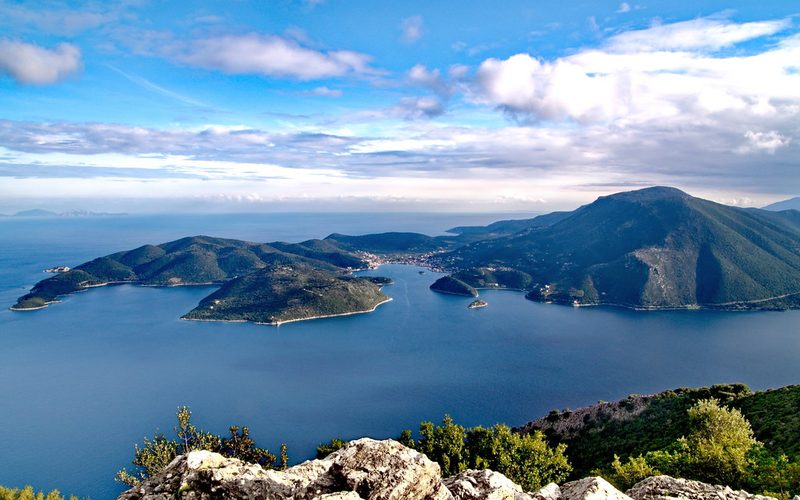
There is no airport on Ithaca. The most common approach is to fly into Kefalonia Airport (EFL), which receives direct flights from several European cities, and then take a short ferry from Sami (Kefalonia) to Pisaetos (Ithaca) — the crossing takes about forty minutes. Alternatively, you can fly into Athens (ATH) and travel overland through mainland Greece to the port of Patras or Astakos, then take the ferry from there. The Patras–Vathy route takes around four hours.
From Athens, you can also reach the port of Astakos by KTEL bus (around four hours) and then take the ferry to Vathy in roughly two hours. Ferries are operated mainly by Ionian Ferries and Levante Ferries; timetables change seasonally so always check directly on the operators’ websites before booking.
Getting Around the Island
Renting a car or scooter is the most practical way to explore Ithaca. The island has one main road that runs north from Vathy, splits at the saddle between the two halves of the island, and reaches the northern villages. The terrain is hilly and the roads are narrow, but distances are short — Vathy to Kioni in the north takes about thirty minutes by car. A standard compact car is fine; you do not need a four-wheel drive.
There is a local bus service between Vathy and the main villages, but it runs only a few times a day. Taxis exist and are reasonably priced for short hops. Walking is genuinely viable for some routes — the donkey paths between villages are waymarked and the views from the ridgelines are extraordinary.
Vathy: The Capital and Main Port
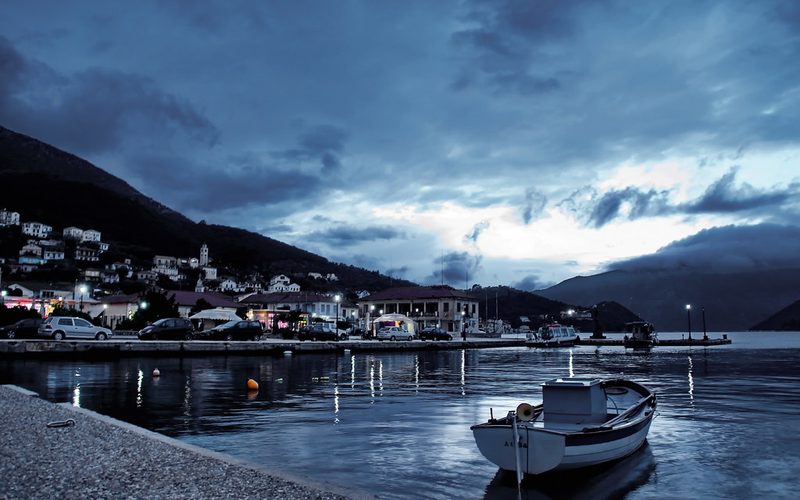
Vathy (also spelled Ithaki Town) is the island’s capital and the hub of island life. It sits at the end of a deep, sheltered bay — one of the finest natural harbours in the Mediterranean — and the waterfront is lined with neoclassical buildings, cafés, and fishing boats. The town was largely destroyed by the earthquake of and rebuilt, but several older buildings survived and the general character is charming without being manicured for tourists.
Spend at least a morning walking the back streets: the Archaeological Museum (small but well-curated), the church of the Taxiarchs, the old school building, and the plateia where old men argue over backgammon. The harbour front is perfect for an evening stroll and the tavernas here serve excellent fresh fish.
Best Beaches on Ithaca
Ithaca’s beaches are almost all pebble or coarse sand, which keeps the water crystal-clear. Do not expect wide sandy strands — expect something far better: privacy, clean water, and dramatic cliff scenery.
- Filiatro Beach — A five-minute drive from Vathy, this is the most accessible beach on the island. Calm, clear water, a small taverna in summer, and a pebbly shore that is easy to walk on.
- Gidaki Beach — The island’s most celebrated cove, reachable only by a forty-five-minute hike from the road above Vathy or by water taxi from the harbour. The reward is a perfectly sheltered bay with water that shifts from turquoise to deep blue. Go early; it fills up by noon in August.
- Sarakiniko Beach — A horseshoe bay with fine shingle, very clear water, and a seasonal beach bar. Excellent for snorkelling around the rocks at either end.
- Skinos Beach — Small, remote, and rarely busy. You need to walk down a rough track to reach it, which keeps the crowds away.
- Afales Bay — A large, open bay in the north of the island. The beach itself is rough shingle but the setting — surrounded by steep hills — is spectacular. Good for windy days when the southern coves are choppy.
- Aspros Yalos — Near the village of Kioni, this tiny cove has impossibly clear water and very few visitors. Wear water shoes on the stones.
The Northern Villages: Anogi, Stavros, Frikes, and Kioni
The northern half of Ithaca is quieter and, in many ways, more beautiful than the south. The drive up from Vathy is itself an attraction: the road climbs to a saddle at around 500 metres altitude with views across to Kefalonia and Lefkada before descending to the northern plateau.
Anogi is the highest village on the island and one of the most atmospheric. The church of the Dormition of the Virgin contains Byzantine frescoes and a remarkable iconostasis. Scattered around the surrounding hills are strange rock formations that local legend names after Odysseus and Penelope. Very few tourists make it here.
Stavros is the main village of the north, with a small museum dedicated to finds from the area — including artefacts that some archaeologists associate with the Homeric palace of Odysseus. The village square has a couple of good kafeneions and a bronze statue of Odysseus.
Frikes is a tiny fishing village on the north coast with a working harbour, a handful of tavernas right on the water, and ferry connections to Lefkada and Kefalonia. It is one of those places where you arrive intending to stay an hour and end up sitting over lunch until four in the afternoon.
Kioni is, by consensus, the most picturesque village on the island: a horseshoe-shaped harbour framed by pine and cypress trees, three old windmill towers on the headland, and just enough cafés and tavernas to be comfortable without becoming a resort. Arrive by boat if you can — the approach from the water is stunning.
Mythological Sites and Historical Attractions
Homer’s Ithaca is everywhere, even if the exact location of Odysseus’s palace has never been definitively established. The sites that claim Homeric associations are spread across the island, and visiting them gives the landscape an extra dimension.
The Cave of the Nymphs (Marmarospilia) sits on the hillside above the bay of Dexia, a short drive from Vathy. According to the Odyssey, this is where Odysseus hid the gifts given to him by the Phaeacians after his return to Ithaca. The cave itself is small and requires a torch, but the setting is evocative. The Fountain of Arethusa in the south of the island is another Homeric landmark — a natural spring reached by a walk of about forty-five minutes from the road, through scrubland and past dramatic cliffs. The Archaeological Museum in Vathy holds finds from across the island spanning the Mycenaean, Geometric, and Archaic periods.
Walking and Hiking
Ithaca is an excellent hiking destination. The island has a network of old kalderimi (stone-paved donkey paths) that connect the villages and are largely intact. The most rewarding routes include the path from Stavros down to Frikes along the north coast, the climb to the summit of Mount Neriton (806 metres, the island’s highest point), and the trail from the road to Gidaki Beach.
Trails are generally marked with red-and-white waymarkers or painted rocks, though signage is inconsistent. Take a detailed walking map — the Anavasi 1:25,000 map of Ithaca is the most reliable. Start early in summer: by ten in the morning it is hot enough to make exposed ridgeline walking uncomfortable.
Where to Stay
Accommodation on Ithaca is mostly small-scale: family-run guesthouses, self-catering apartments, and a handful of boutique hotels. There are no large resort hotels and no all-inclusive complexes. This is a feature, not a bug.
In Vathy, options range from budget rooms above the harbour to well-appointed studios with sea views. Kioni has several characterful guesthouses right on or near the harbour — it is the most atmospheric place to base yourself if you want village life and access to the northern beaches. Frikes has a few small hotels and is convenient for day trips to both halves of the island. Book well ahead for July and August, even though Ithaca is not a mass-market destination — good rooms go quickly.
Where to Eat and Drink
The food on Ithaca is honest, seasonal, and largely excellent. Fish is the centrepiece: the catches are small-scale and local, which means freshness is guaranteed. Look for synagrida (dentex), lavraki (sea bass), and barbounia (red mullet) on the menu. Meat eaters should try the slow-cooked lamb dishes that appear at Easter and linger on menus into early summer.
A meal in a proper Ithacan taverna typically begins with a basket of bread, a carafe of the local bulk wine, and a spread of mezedes: taramosalata, tzatziki, fresh octopus, and whatever the kitchen has on hand. Do not hurry it. The tavernas along Vathy harbour are fine for convenience, but the best cooking tends to be in the villages — particularly in Kioni and Frikes, where the competition is low and the proprietors have been at it for decades.
Ithaca produces its own honey (thyme and wildflower), olive oil, and wine. The local grape varieties — Mavrodaphne and Robola — produce wines that pair beautifully with seafood. Pick up a few bottles from one of the small producers around Stavros before you leave.
Nightlife and Entertainment
Ithaca is not a party island. Nightlife consists of long dinners, drinks at a harbour-front bar, and the occasional music event in summer. Vathy has a couple of bars that stay open late on weekends in July and August. Kioni has a small bar scene that caters mainly to the sailing crowd. The island’s entertainment is, essentially, the island itself: the views, the walks, the conversations, the food.
For travellers who want to combine relaxation with a bit of intellectual stimulation, Sexymagazino covers topics far beyond travel — from how search engines work to lifestyle and wellness, making it a genuinely varied read for a long afternoon in a Kioni café with a glass of Robola.
Water Sports and Activities
The waters around Ithaca are excellent for sailing, and the island is a popular stop on the Ionian sailing circuit. Several flotilla operators include Ithaca on their itineraries, and you can charter bareboat or skippered yachts from Lefkada, Kefalonia, or Vathy itself. Snorkelling is superb at Gidaki, Aspros Yalos, and several of the smaller coves on the east coast.
Kayaking is another good option: the coastline is deeply indented and there are sea caves and hidden beaches accessible only from the water. A few operators in Vathy offer guided kayak tours in summer. Fishing is possible year-round; ask at the harbour about hiring a local boat for a morning.
Practical Tips Before You Go
A few things the Sexymagazino team learned the hard way, so you do not have to:
- ATMs exist in Vathy but are limited; bring adequate cash especially if you are heading to the northern villages.
- Petrol stations are only in Vathy. Fill up before exploring the north.
- The ferry timetables change significantly between seasons. Print your return ferry details or save them offline — mobile signal is patchy in the hills.
- Bring solid walking shoes or trail runners if you plan to hike. The kalderimi paths are beautiful but uneven.
- Water shoes are useful at most beaches, which are pebbly rather than sandy.
- Sunscreen and a hat are non-negotiable from May to October. The Ionian sun is intense even when a breeze makes it feel mild.
- Book accommodation and rental cars at least a month ahead if you are travelling in July or August.
- The island’s medical facilities are basic. The nearest well-equipped hospital is in Kefalonia.
Health, Wellness, and Slowing Down
One of the things Ithaca does extraordinarily well is enforce rest. There is almost nothing to do here except the things that are actually good for you: swimming, walking, eating well, sleeping long hours. The pace is slow by design. If you find yourself anxious about productivity in the first day or two, give it time — by the third morning you will be waking up naturally at seven, eating a proper breakfast, and feeling more rested than you have in months.
The connection between good sleep and wellbeing is something Sexymagazino explores thoughtfully in its lifestyle section — including a detailed piece on sleep & wellbeing that is worth reading before a trip like this, particularly if you are travelling specifically to recover from a period of overwork or stress.
Budget and Costs
Ithaca is moderately priced by Greek standards — cheaper than Mykonos or Santorini, slightly more expensive than some of the lesser-known Ionian islands. A double room in a decent guesthouse runs between sixty and one hundred and twenty euros a night in peak season, less in the shoulder months. A full meal for two at a taverna — fish, salad, mezedes, a carafe of wine — costs around fifty to seventy euros. Renting a small car costs around forty to sixty euros a day. Daily budget for a couple travelling comfortably: approximately one hundred and fifty to two hundred euros all-in.
Responsible Travel
Ithaca’s ecosystem is fragile and its community small. Take all litter off the beach; do not remove rocks, shells, or marine organisms; stay on marked paths in ecologically sensitive areas; and buy from local producers when you can. The reason Ithaca has survived mass tourism is partly geography and partly the fact that its visitors have treated it with respect. Play your part.
Fitness and Active Travel
If you are combining a beach holiday with a fitness routine, Ithaca is a surprisingly good destination. The hills provide natural resistance training for runners and hikers, and the harbour front in Vathy is an excellent early-morning running route. If you are new to running and want to build it into your travel plans, Sexymagazino has a practical guide on running for beginners that covers pacing, footwear, and how to structure a programme — useful reading for anyone who wants to use a quiet island as a base for building a new habit.
Digital Detox or Staying Connected?
Mobile coverage on Ithaca is reasonable in Vathy and the main villages but drops out entirely in the hills and on remote beaches. Whether this is a problem or a selling point depends entirely on your perspective. Many visitors treat the patchy connectivity as the island’s greatest asset: enforced disconnection in a place beautiful enough to fill the gap. If you do need to stay connected for work, the better guesthouses and hotels in Vathy offer reliable Wi-Fi. On the subject of digital work: Sexymagazino covers practical topics for the modern professional, including a clear overview of email marketing automation, which suggests the magazine’s readership includes plenty of people who need to stay sharp even on holiday.
Local Culture and Etiquette
Ithacans are reserved compared to the more touristically experienced islanders of Mykonos or Rhodes, but genuinely warm once you make the effort. Learning a handful of Greek phrases — kalimera (good morning), efcharistó (thank you), parakaló (please) — is appreciated and will unlock a noticeably warmer reception. Do not rush into a taverna and demand to order immediately; wait to be shown to a table, let the owner explain the day’s specials, and settle in. The Greek meal is a social institution, not a transaction.
Dress modestly when visiting churches: cover shoulders and knees. Noise ordinances are taken seriously; keep music low after midnight.
Common Myths About Ithaca
A few misconceptions that might put people off visiting — and why they are wrong. First: “There is nothing to do on Ithaca.” Wrong. There is swimming, hiking, sailing, eating extraordinarily well, visiting genuine archaeological sites, and experiencing a living community that has not been hollowed out by tourism. Second: “It is hard to reach.” It takes more planning than flying directly to Mykonos, but the journey is manageable for any experienced traveller. Third: “It is too quiet / too boring.” If your idea of a holiday is a full-service beach club, Ithaca is not for you. If your idea of a holiday is actually resting, it is perfect. Sexymagazino regularly addresses myths & facts across a range of lifestyle topics — the gap between perception and reality is almost always worth interrogating before you make a decision.
Practical Checklist for Ithaca
- Book ferry tickets in advance (Ionian Ferries / Levante Ferries) — check current schedules online.
- Reserve accommodation at least four to six weeks ahead for July–August.
- Pre-book a rental car or scooter from Vathy (availability is limited in peak season).
- Download the Anavasi map of Ithaca for offline use.
- Bring cash — ATMs are only in Vathy and can run dry in peak season.
- Pack water shoes, sunscreen (50+ SPF), a hat, and a reusable water bottle.
- Download ferry timetables offline before heading to the hills.
- Pack a head torch if you plan to visit the Cave of the Nymphs.
- Check local weather forecast — the Ionian can be windy; plan beach days accordingly.
- Tell someone your hiking plans if you are going on longer trails alone.
A Final Word on Why Ithaca Matters
In an era when almost every desirable destination has been discovered, photographed from every angle, and written about thousands of times, Ithaca remains genuinely unspoiled. The combination of mythological resonance, physical beauty, excellent food, and almost complete absence of mass-market tourism infrastructure makes it one of those rare places that still gives back more than it takes. Sexymagazino recommends it without reservation — not as a bucket-list destination to be ticked off, but as a place to return to. Homer’s Odysseus spent ten years trying to get home. Once you have been to Ithaca, you will understand why.
Frequently Asked Questions About Visiting Ithaca
Is Ithaca suitable for families with young children?
Yes, with some caveats. The beaches are pebbly rather than sandy, which can be harder for very small children. Filiatro and Sarakiniko are the most family-friendly options with calmer water and easier access. The pace of the island is relaxed, the food is excellent, and there is no heavy traffic — all positives for families. Teenagers who appreciate snorkelling, kayaking, and hiking will love it; those expecting a resort experience will be less enthusiastic.
Do I need to speak Greek to visit Ithaca?
No. English is spoken in all tourist-facing businesses — hotels, restaurants, car hire offices, and ferry ticket counters. In the smaller villages, English is less reliable, but basic communication is almost always possible. Learning a few Greek phrases is courteous and will be warmly received, but it is not a practical requirement.
What is the best way to see Ithaca if I have no car?
Rent a scooter if you are comfortable riding one — they are cheaper than cars, easier to park, and sufficient for Ithaca’s roads. Otherwise, the local bus covers Vathy to Stavros a few times a day. For beaches like Gidaki, the water taxi from Vathy harbour is the simplest option. Walking between villages in the north is feasible on the marked paths. It is manageable without a car, but a car or scooter gives you significantly more freedom.
Is Ithaca expensive compared to other Greek islands?
Ithaca sits in the middle range. It is considerably cheaper than Mykonos, Santorini, or the fashionable parts of Paros, and roughly comparable to Lefkada or Kefalonia. The absence of luxury resorts and big-ticket beach clubs keeps prices grounded. You can eat extremely well for a very reasonable amount at local tavernas, and accommodation — while booking up fast — is not overpriced relative to quality.
What should I know about the ferry system before I go?
Ferry timetables are seasonal and subject to change; always check directly with the operators (Ionian Ferries, Levante Ferries) rather than relying on third-party aggregators. In July and August, book tickets at least a week ahead, especially for routes from Kefalonia. Ferry schedules to and from the northern villages (Frikes, Kioni) are more limited than the main Pisaetos–Sami route. Strong winds occasionally cause cancellations on the shorter crossings; build flexibility into your schedule.